See photos of Vestnes on Google Images →
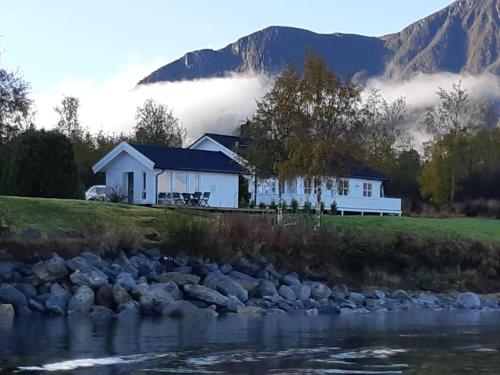
Vestnes is Møre og Romsdal’s fjord-sculpted shipbuilding basin - a municipality where disc golf meets Viking graves, fjords cradle fishing boats, and two golden triangles stretch across the coat of arms. With around 7,100 residents and a landscape shaped by the Tresfjorden, Tomrefjorden, and the villages of Vestnes, Tomrefjord, Fiksdal, Vikebukt, and Tresfjord, Vestnes is the kind of place where you can hike past alpine lakes, explore rural museums, and still sip spruce cordial beside a brewery that doubles as a community hub. It’s got fjords, forges, and a name that means “western headland.”
Top Attractions
Baatbryggeriet
local craft brewery with tastings & community events
See on Tripadvisor · 📍
Lauparen
alpine hike with panoramic views & glacial lakes
See on Tripadvisor · 📍
Alti Vestnes
shopping mall with cafés, boutiques & fjordside location
See on Tripadvisor · 📍
Øverås Frisbeegolfklubb
world-class disc golf course hosting international tournaments
See on Tripadvisor · 📍
Tresfjord Museum
19th-century farmstead with smokehouse, mill & rural artifacts
See on Tripadvisor · 📍
Booking a flight? Not sure which airport is closest to Vestnes? Copy the prompt and ask Kayak AI for the smartest route into town.
What is the nearest airport to Vestnes, Norway, and the best way to get from the airport to Vestnes?
Unique Experiences
Gjermundnes Agricultural Museum
Viking settlement site turned museum with seasonal exhibits
See on Tripadvisor · 📍
Boatbuilding Heritage
visit Sjøbua for exhibitions on Vestnes’s maritime legacy
See on Tripadvisor · 📍
Høgsvora Summit
ski or hike to 1164 m peak with views over Romsdal
See on Tripadvisor · 📍
Horseback Riding
Icelandic horse tours through forest trails & mountain passes
See on Tripadvisor · 📍
Fishing & Fjord Cruising
boat trips to coalfish grounds or quiet coves
See on Tripadvisor · 📍
Where to Stay in Vestnes




Getting There
Vestnes lies across the fjord from Molde, with Vestnes village as its administrative center and Tomrefjord as its shipbuilding heart. Reach it via E39 or ferry from Molde (35 minutes). The area is best explored by boots, boat, or bold curiosity - especially if you’re chasing forge echoes, fjord lore, or the hush of pine needles beside a trail once walked by Viking farmers and modern engineers alike.